Understanding the Psychology of Bluffing
Bluffing in poker is as much about psychology as it is about strategy. To successfully bluff, one must not only know their own hand but also gauge the emotional and psychological state of their opponents. This involves closely observing their actions, betting patterns, and even their body language. Players often turn to betting sites canada for resources that provide insights into effective bluffing strategies. A well-timed bluff can exploit an opponent’s insecurity or hesitation, leading them to fold a potentially stronger hand. Understanding the nuances of psychology can significantly enhance a player’s ability to bluff effectively.
The classic concept of “poker face” is a vital aspect of this psychological game. A player must learn to maintain a neutral expression, regardless of the strength of their hand. The ability to mask emotions while simultaneously reading others’ tells is crucial. For instance, if an opponent starts fidgeting or shows signs of frustration, they may be bluffing or uncertain about their own hand. Recognizing these cues can provide insights that inform your bluffing strategy.
Moreover, successful bluffing often requires adopting specific personas at the table. Some players may choose to play aggressively, projecting confidence even when they hold weak cards. Others might play conservatively, allowing them to surprise opponents with unexpected aggressive moves. By understanding different psychological strategies, a player can better position themselves for successful bluffs while managing their own emotional responses during the game.
The Timing of a Bluff: When to Push the Envelope
Timing is a critical component of bluffing in poker. An ill-timed bluff can lead to significant losses, making it essential for players to recognize the right moments to bluff. Generally, bluffing is most effective at certain points in a hand, such as during the turn or river, when the potential for stronger cards has diminished. This window of opportunity allows players to leverage their opponents’ uncertainty about what cards may be held.
Moreover, considering the betting structures and the number of players left in the hand can influence the timing of a bluff. In games with fewer players, the odds favor bluffing since opponents may feel more pressure to protect their chips. Conversely, in a game with multiple players still in the hand, the chances of someone having a strong hand increase, making bluffing riskier. Careful evaluation of these dynamics is crucial for effectively timing your bluffs.

Additionally, a player’s image at the table can impact when and how to bluff. If a player has established a reputation for playing tight or conservatively, they may find more success with a bluff as their opponents are likely to perceive them as holding a strong hand, thus encouraging folds. Understanding one’s own table image and manipulating it to influence opponents’ decisions is a strategic skill that can significantly improve bluffing success rates.
Choosing the Right Opponents to Bluff
Not all opponents are created equal when it comes to bluffing. Recognizing who to bluff and who to avoid is pivotal in executing effective bluffs. Some players are more likely to call a bluff, often due to their own tendencies to overvalue their hands or fear of losing. Targeting these types of players can be advantageous, as even a weak bluff may result in them folding a stronger hand.
Additionally, assessing the skill level of opponents plays a significant role in deciding when to bluff. Novice players might be more prone to calling all-in bets due to their inexperience, while seasoned veterans often study their opponents and are more skeptical of aggressive moves. Therefore, understanding the skill dynamics at the table can help players determine which opponents are likely to succumb to a well-placed bluff.
Furthermore, evaluating the overall game context is essential. If the majority of players are playing conservatively, it might be a prime opportunity to introduce bluffing into your strategy. Conversely, in a high-stakes game with aggressive players, bluffing might become a risky endeavor. Adapting to these dynamics and identifying the right opponents to bluff is crucial for overall success in poker.
Mastering Techniques for a Successful Bluff
There are various techniques that players can employ to enhance their bluffing skills. One popular method is the semi-bluff, where a player bets or raises with a drawing hand that has the potential to improve on later streets. This strategy plays on the idea that opponents may fold, but if they don’t, the player still has a chance of completing their hand and winning. The semi-bluff can add an extra layer of complexity to traditional bluffing, creating pressure on opponents regardless of the hand strength.
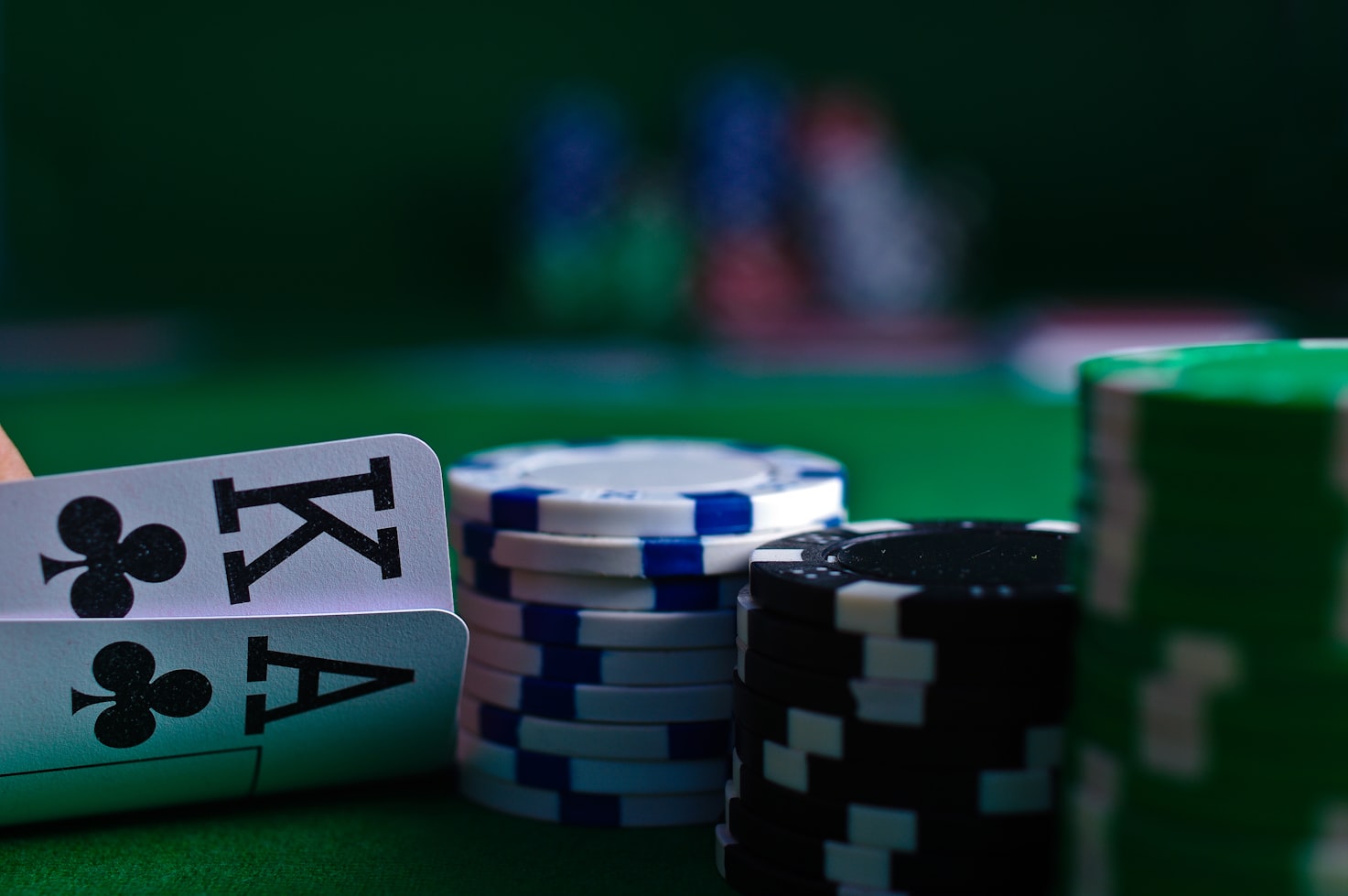
Another technique involves varying bet sizing to mislead opponents about the strength of one’s hand. For example, a player might make a small bet on the flop to lure opponents into thinking they are weak, only to ramp up the aggression on the turn. This inconsistency can sow doubt in the minds of opponents, making it more likely for them to fold. Understanding how to manipulate bet sizes effectively can be a game-changer when it comes to bluffing.
Additionally, utilizing the concept of “storytelling” in poker can enhance bluffing efforts. Players can craft a narrative through their betting patterns, creating a believable story of how they arrived at their current position in the hand. If a player bets confidently on certain rounds, it can convince others that they have a strong hand, despite the reality of the situation. Developing this skill requires practice and observation but can significantly elevate one’s bluffing game.
Exploring More Resources on Bluffing Techniques
To truly master the art of bluffing in poker, continuous learning is essential. Numerous resources are available to players seeking to improve their skills. Books focused on poker strategy often delve deep into bluffing techniques, providing insights from successful players who have honed this craft over years of experience. Online forums and communities also serve as great platforms for sharing strategies, tips, and experiences related to bluffing and overall gameplay.
Furthermore, engaging with professional poker content through videos and tutorials can be incredibly beneficial. Many experienced players share their games and explain their thought processes live, allowing viewers to gain a more nuanced understanding of when and how to bluff. Watching real-time strategies can help players visualize different situations, enhancing their ability to apply learned techniques in their own games.
Ultimately, practicing bluffing in online poker games can provide invaluable experience without the pressure of a physical casino environment. Many platforms allow for low-stakes games, making it easier to experiment with different bluffing strategies. Through these resources and consistent practice, players can hone their skills, ensuring they become adept at bluffing and raising their overall game awareness.